

Carpet Mold Removal in San Gabriel, CA
San Gabriel's inland valley location combined with persistent marine moisture keeps humidity levels elevated year-round, creating conditions where carpet fibers readily absorb and retain moisture. This sustained dampness accelerates mold colonization in carpets, particularly in homes along the Huntington Drive and Grand Avenue corridors where older construction and variable ventilation patterns compound the problem. Estes Mold Remediation connects San Gabriel property owners with local providers who specialize in carpet mold removal, ensuring thorough extraction and remediation to protect indoor air quality and prevent further spread to surrounding materials.
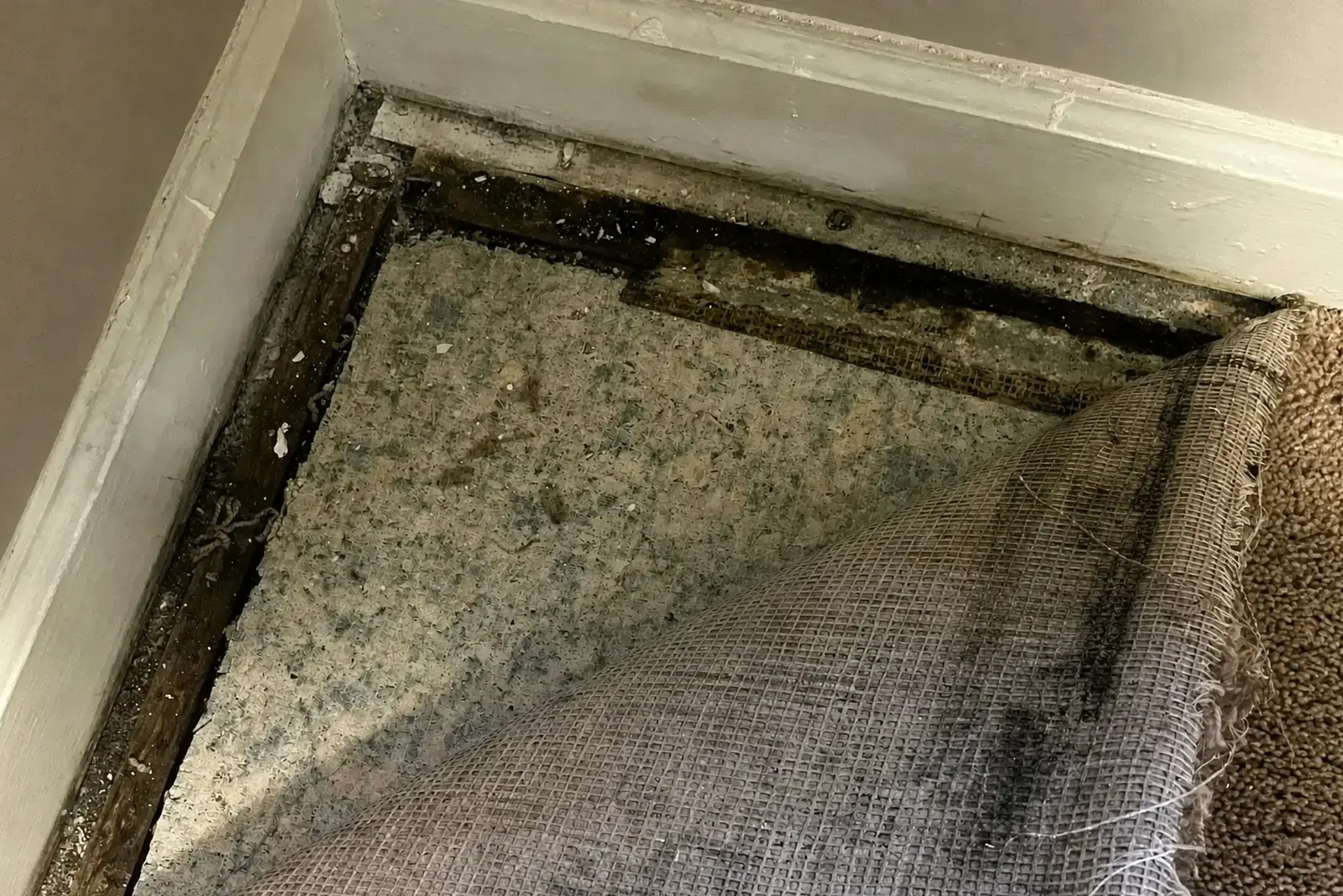
What gets cleaned in a carpeted room, and what comes out
The honest answer to “does this come out, or can it be cleaned?” turns on two things — what the material is, and how many square feet are affected. Those are the two axes of the EPA’s own remediation table, reproduced below for the materials usually found in a carpeted room.
| Material | Under 10 sq ftabout a cabinet door, or one ceiling tile | 10 to 100 sq ftroughly one wall, or a small bathroom | Over 100 sq ftmore than one room's worth of surface |
|---|---|---|---|
| Carpet and backingthe carpet and its backing, and the pad beneathEPA, Table 2 | Wet vacuumHEPA vacuum | Wet vacuumHEPA vacuumRemove and discard | Wet vacuumHEPA vacuumRemove and discard |
| Hard surface, porous flooringthe subfloor under the carpetEPA, Table 2 | Wet vacuumDamp wipeHEPA vacuum | Wet vacuumDamp wipeHEPA vacuum | Wet vacuumDamp wipeHEPA vacuumRemove and discard |
| Upholstered furniture and drapesfurniture and drapes that were standing in itEPA, Table 2 | Wet vacuumHEPA vacuum | Wet vacuumHEPA vacuumRemove and discard | Wet vacuumDamp wipeRemove and discard |
What those methods mean, in EPA's words
- Wet vacuum
Wet vacuums are vacuum cleaners designed to collect water. They can be used to remove water from floors, carpets and hard surfaces where water has accumulated.
EPA, cleanup methods- Damp wipe
Mold can generally be removed from nonporous (hard) surfaces by wiping or scrubbing with water, or water and detergent.
EPA, cleanup methods- HEPA vacuum
HEPA (High-Efficiency Particulate Air) vacuums are recommended for final cleanup of remediation areas after materials have been thoroughly dried and contaminated materials removed.
EPA, cleanup methods- Remove and discard
Building materials and furnishings that are contaminated with mold growth and are not salvageable should be double-bagged using 6-mil polyethylene sheeting.
EPA, cleanup methods
These guidelines are for damage caused by clean water. If you know or suspect that the water source is contaminated with sewage, or chemical or biological pollutants, then Personal Protective Equipment and containment are required by OSHA.
EPA, Table 1Porous materials that are wet and have mold growing on them may have to be discarded.
EPA, cleanup methodsMold can grow on wood, drywall, carpet and furniture if they remain wet for more than 24 hours.
EPA, flood cleanup
The pad under the carpet holds far more water than the carpet itself, which is why the pad usually decides the outcome. EPA allows cleaning at small areas but adds removal once the affected area passes ten square feet. Anything upholstered that was standing in it is judged separately — furniture and drapes often come out when the carpet does.
Los Angeles County carries flood events in 25 different years on the National Weather Service record, the latest in 2026 — which is a long history of water arriving somewhere it had to be dried out of.Source: NOAA Storm Events Database, Los Angeles County (1996-2026; Flood, Flash Flood and Coastal Flood events)
Carpet Mold Removal in San Gabriel, CA
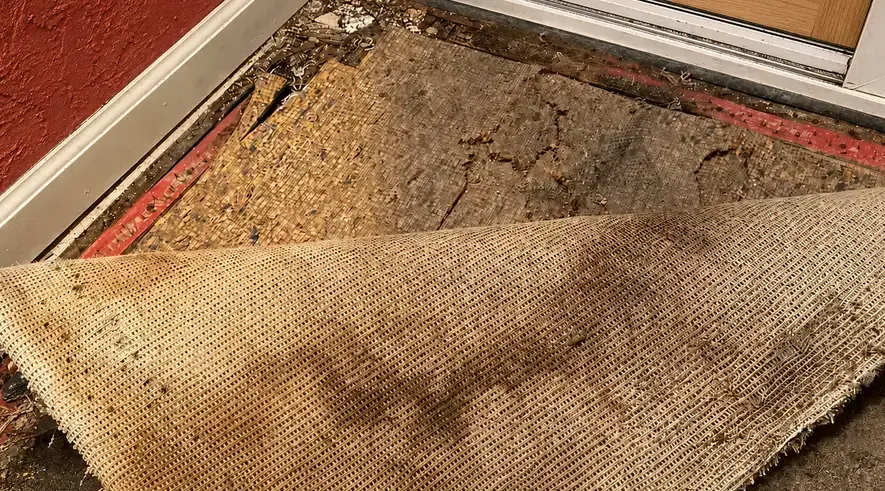
San Gabriel's inland valley climate combines persistent moisture from coastal marine air with year-round humidity levels that remain elevated even between rainy periods. This moisture-rich environment creates ideal conditions for mold growth in carpets, which absorb and retain water from humidity, spills, and condensation. Homes throughout San Gabriel—from neighborhoods like the San Gabriel Mission District to properties along Huntington Drive—are particularly vulnerable to carpet mold when moisture penetrates fibers and backing, especially in areas with poor ventilation or limited air circulation. Once mold establishes itself in carpet, it can spread deeper into the padding and subfloor if not addressed promptly, compromising both the integrity of the flooring and the air quality of the home.
Estes Mold Remediation connects San Gabriel property owners with independent local providers who specialize in thorough carpet mold removal. These providers assess the extent of mold growth, determine whether carpet can be professionally cleaned and restored or must be removed, and address moisture sources to prevent recurrence. The process includes safe containment to protect other areas of the home, proper removal or remediation of affected materials, and restoration of the space to a dry, healthy state. By working with local providers who understand San Gabriel's moisture challenges, you gain access to responsive service and solutions tailored to your property's specific needs—helping you restore clean, safe indoor spaces for your family.
Why San Gabriel Owners Choose Estes for Carpet Mold Removal
Fast Local Carpet Mold Response
Estes connects you with independent local providers who understand San Gabriel's moisture challenges and respond quickly to carpet mold concerns, minimizing damage and health risks to your property.
Thorough Carpet Mold Treatment
Connected providers use proper containment and removal techniques for carpet mold, addressing both visible growth and moisture sources to reduce the chance of recurrence in affected areas.
Clear Communication Throughout Removal
Estes-connected providers explain carpet mold findings, removal steps, and aftercare clearly so you understand the work being done and how to protect your indoor air quality going forward.
Crawl Space Moisture Control Matters
San Gabriel homes often feature raised foundations with crawl spaces where poor ventilation traps moisture year-round, creating hidden conditions that encourage carpet mold growth in living areas above—Estes providers address these root causes.
How Our Carpet Mold Removal Process Works
Schedule Your Carpet Mold Removal Visit
Contact Estes Mold Remediation to describe your carpet mold concern in San Gabriel. We'll connect you with a local independent provider who can assess whether your carpet is affected and determine the best removal approach for your home.
Carpet Inspection and Mold Assessment
The independent provider inspects your carpet, padding, and subfloor for mold growth, paying special attention to moisture sources common in San Gabriel homes—where elevated year-round humidity can create conditions that promote mold beneath carpeting. They'll document the extent of carpet mold to recommend safe removal or remediation.
Carpet Mold Removal and Moisture Control
The provider removes affected carpet and padding, addresses moisture that allowed mold to develop, and may recommend ventilation improvements to help prevent future carpet mold issues. You'll receive guidance on monitoring your home's moisture levels going forward.
Dealing with Carpet Mold Removal in San Gabriel? Get fast, professional help.
Call Now — (626) 377-4431Carpet Mold Removal Across San Gabriel
San Gabriel's inland valley location creates persistent moisture conditions that affect homes year-round. The combination of moderate-to-high humidity from coastal marine air influence means indoor moisture levels remain elevated even during drier months, creating an environment where mold can establish itself in unexpected places—including carpets, padding, and the subflooring beneath them. This moisture pattern is particularly relevant for carpet mold removal, since carpets act as moisture reservoirs and can harbor mold growth that may not be immediately visible to the eye.
Properties throughout San Gabriel, including those in established neighborhoods like the San Gabriel Mission District and along major corridors such as Huntington Drive, often feature raised foundations with crawl spaces. When crawl space ventilation is inadequate, moisture accumulates and rises into the living spaces above, affecting flooring and carpets. Identifying and addressing the moisture source—whether it originates in the crawl space or from surface-level water intrusion—is essential to successful carpet mold removal and preventing regrowth. Local providers can assess your home's specific moisture patterns and recommend the right removal and containment approach for your property.
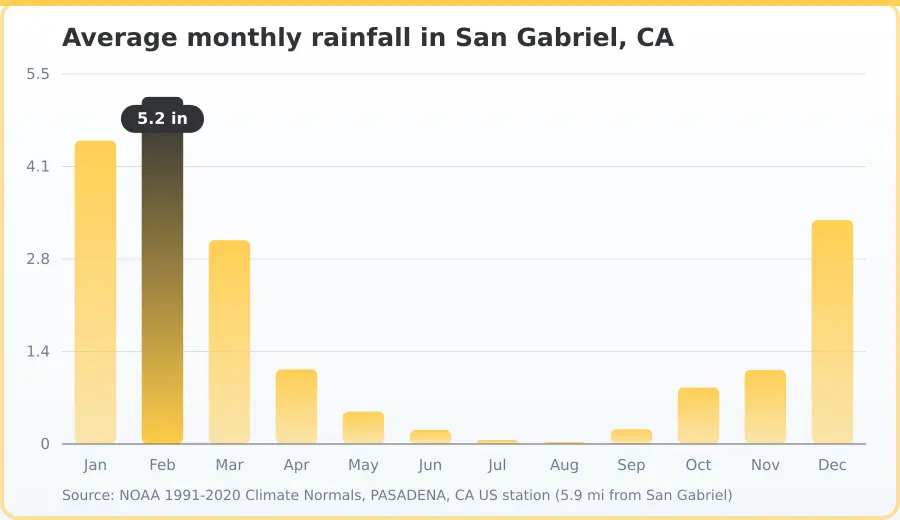
| Period | Monthly rainfall (in) |
|---|---|
| Jan | 4.5 |
| Feb | 5.2 |
| Mar | 3 |
| Apr | 1.1 |
| May | 0.5 |
| Jun | 0.2 |
| Jul | 0.1 |
| Aug | 0 |
| Sep | 0.2 |
| Oct | 0.8 |
| Nov | 1.1 |
| Dec | 3.3 |
Source: NOAA 1991-2020 Climate Normals, PASADENA, CA US station (5.9 mi from San Gabriel). Retrieved October 5, 2026.
Seasonal Carpet Mold Removal Needs in San Gabriel
Spring: Moisture and Growth
Spring rains increase indoor humidity, accelerating carpet mold development across San Gabriel homes. Carpets absorb moisture from air and occasional water entry, creating ideal conditions for visible growth and musty odors. Estes Mold Remediation connects property owners with local providers who assess carpet damage and recommend removal or deep remediation before warmer months intensify the problem.
Summer: Hidden Expansion
Warm temperatures and persistent inland valley humidity fuel rapid carpet mold colonization, often developing unseen beneath the surface or padding. Many San Gabriel properties with raised foundations experience inadequate crawl space ventilation, trapping moisture that wicks upward into floor coverings. Estes connects homeowners with providers who identify hidden mold before it spreads to subfloor and structural materials.
Fall: Airflow Changes
Seasonal cooling shifts indoor air patterns, sometimes trapping moisture in carpeted areas with poor circulation. Mold in carpet fibers can become more noticeable as humidity lingers despite lower outdoor temperatures. Estes Mold Remediation helps property owners arrange inspections and removal services to prevent mold-related odors and indoor air quality decline heading into winter.
Winter: Condensation Risk
Winter temperature swings cause condensation on cool carpeted floors, especially near exterior walls and poorly insulated areas. This seasonal moisture supports carpet mold persistence and can worsen existing infestations. Estes Mold Remediation connects San Gabriel property owners with local removal specialists who assess winter-driven carpet mold and coordinate safe containment and remediation.
Carpet Mold Removal FAQs — San Gabriel, CA
Carpet mold removal typically includes inspection to identify affected areas, containment to prevent spore spread, removal of contaminated carpet and padding, cleaning of the subfloor, and drying to restore proper moisture levels. The independent local providers Estes connects you with assess whether carpet can be salvaged or must be replaced, and address the underlying moisture source to help prevent recurrence.
Estes Mold Remediation connects you with independent local providers in San Gabriel who can typically respond quickly to your inquiry. Availability depends on current demand and the specific provider's schedule. Once connected, you can discuss timing directly with the provider serving your area to understand their response timeframe.
Carpet mold removal pricing depends on the affected area's size, carpet type, extent of mold growth, whether padding and subfloor also require treatment, and what moisture-control measures are needed. Independent providers Estes connects you with will typically assess your specific situation and provide a quote based on these variables. Pricing varies by provider.
Before carpet mold removal begins, clear the affected room of furniture and personal items if possible. Ensure the area is accessible to the removal crew. The independent provider will typically outline additional prep steps specific to your situation, including how to manage other rooms during the containment and removal process.
Mold recurrence depends on controlling the moisture source. San Gabriel's indoor environment can support mold regrowth if humidity remains elevated or new water intrusion occurs. The independent provider you work with can advise on moisture control, ventilation improvements, and monitoring practices to help protect your carpet long-term after removal is complete.
San Gabriel's consistently moderate-to-high indoor humidity—driven by the area's inland valley position combined with marine air influence—creates conditions where carpet mold can develop throughout the year, not just during rainy seasons. Homes with raised foundations and limited crawl space ventilation are especially prone to moisture accumulation that affects carpeting above. Proper ventilation and humidity management help reduce this risk.
Related Services
Homeowner Safety Toolkit
Verify Your San Gabriel, CA Mold Remediation Company
Before you hire anyone, use these independent national resources to confirm credentials, standards, and track record.
IICRC
Publishes the S520 standard for professional mold remediation. Confirm a company's technicians hold real, current IICRC certification before you hire them.
Verify CertificationBBB
Look up any mold remediation company's complaint history, customer reviews, and accreditation status — a free, independent check before you hire.
Check StandingCDC
Covers the health effects of mold exposure and safe cleanup practices, separate from the remediation work itself — useful if anyone in the home has respiratory symptoms.
Mold Health GuideDealing with Carpet Mold Removal in San Gabriel, CA? Call (626) 377-4431 for 24/7 help.
Call Now — (626) 377-4431Areas We Serve in San Gabriel, California
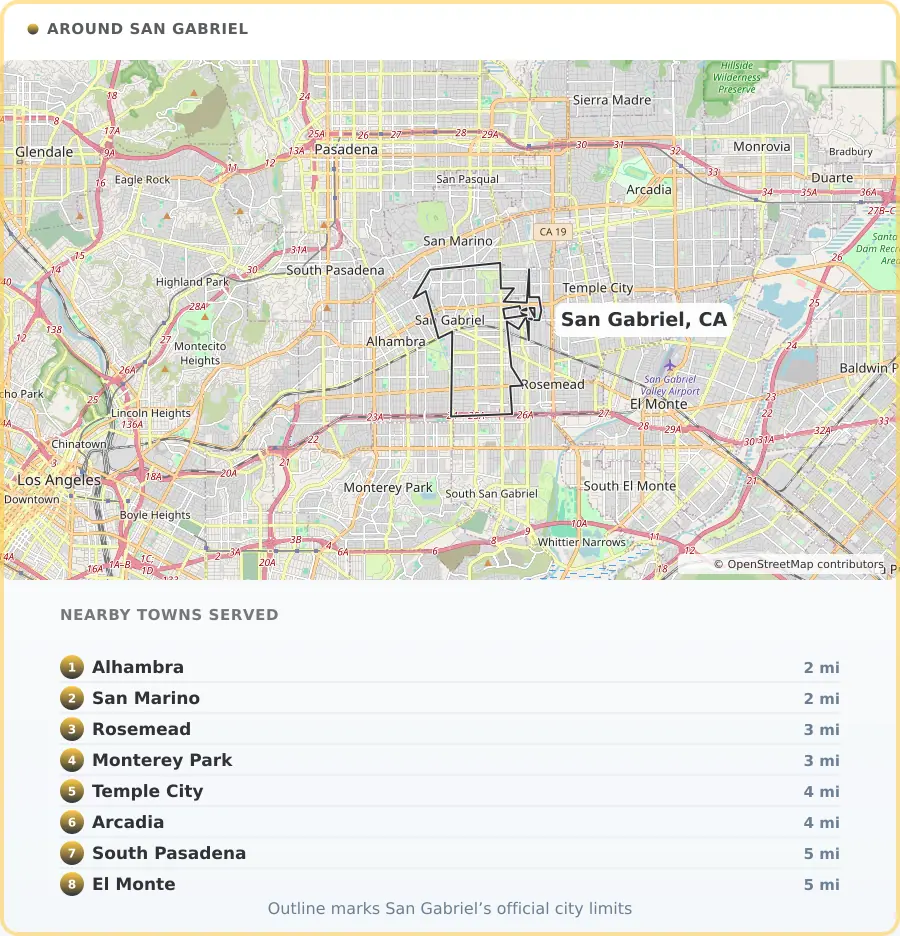
Serving San Gabriel, CA and 8 communities around it. Local knowledge of how each area is built shapes how the work is handled there.
San Gabriel, CA Information
Tucked in the heart of the San Gabriel Valley, San Gabriel, CA is a close-knit community of about 39,700 residents where history and daily life mix easily. The San Gabriel Mission District anchors the city's identity, while San Gabriel Square draws crowds for some of the region's best dining and shopping, giving the city a reputation as a culinary destination well beyond its size.
The local economy leans on healthcare, with San Gabriel Valley Medical Center a major employer, alongside retail, light manufacturing, and professional services typical of the valley. Schools, city government, and familiar names like Walmart, Target, and 99 Ranch Market round out the job base. Along corridors like Las Tunas Drive, that everyday mix of commerce and community gives San Gabriel its steady, welcoming character.
Photo: Billy Hathorn, CC BY-SA 3.0