

Ceiling Mold Removal in San Gabriel, CA
San Gabriel's inland valley location combined with marine air from the coast creates persistent moisture conditions that elevate humidity inside homes throughout the year, even during dry seasons. Ceiling mold often develops in these damp environments—particularly in older homes around areas like the San Gabriel Mission District and along Grand Avenue—where upper-level spaces trap moisture and ventilation may be insufficient. Estes Mold Remediation connects San Gabriel property owners with local mold removal specialists who can identify ceiling mold growth, contain affected areas safely, and perform thorough removal to protect your home's structure and indoor air quality.
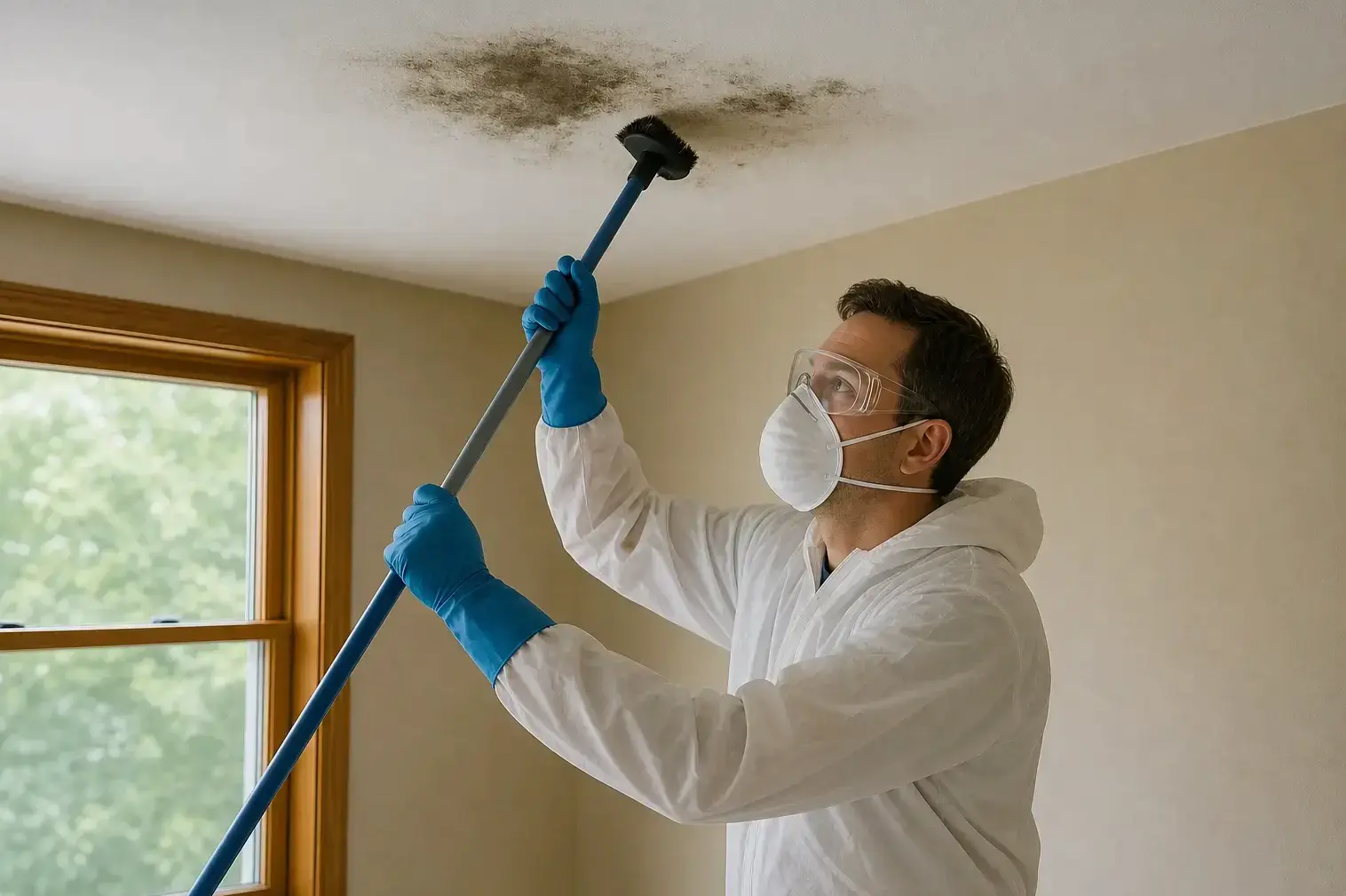
What gets cleaned on a ceiling, and what comes out
The honest answer to “does this come out, or can it be cleaned?” turns on two things — what the material is, and how many square feet are affected. Those are the two axes of the EPA’s own remediation table, reproduced below for the materials usually found on a ceiling.
| Material | Under 10 sq ftabout a cabinet door, or one ceiling tile | 10 to 100 sq ftroughly one wall, or a small bathroom | Over 100 sq ftmore than one room's worth of surface |
|---|---|---|---|
| Wallboardthe ceiling drywall itselfEPA, Table 2 | HEPA vacuum | HEPA vacuumRemove and discard | HEPA vacuumRemove and discard |
| Wood surfacesjoists and framing in the cavity aboveEPA, Table 2 | Wet vacuumDamp wipeHEPA vacuum | Wet vacuumDamp wipeHEPA vacuum | Wet vacuumDamp wipeHEPA vacuumRemove and discard |
What those methods mean, in EPA's words
- Wet vacuum
Wet vacuums are vacuum cleaners designed to collect water. They can be used to remove water from floors, carpets and hard surfaces where water has accumulated.
EPA, cleanup methods- Damp wipe
Mold can generally be removed from nonporous (hard) surfaces by wiping or scrubbing with water, or water and detergent.
EPA, cleanup methods- HEPA vacuum
HEPA (High-Efficiency Particulate Air) vacuums are recommended for final cleanup of remediation areas after materials have been thoroughly dried and contaminated materials removed.
EPA, cleanup methods- Remove and discard
Building materials and furnishings that are contaminated with mold growth and are not salvageable should be double-bagged using 6-mil polyethylene sheeting.
EPA, cleanup methods
Removed and replaced, whatever the area
- Ceiling tiles — drop-ceiling or acoustic tiles.
Discard and replace.
EPA, Table 1This is the action EPA's water-damage table gives for ceiling tiles. It is the one material here with no size threshold to weigh. - Fiberglass or other insulation — any insulation sitting on top of the ceiling.
Fiber glass, or any other insulation material that is wet or visibly moldy (or if an unacceptable odor is present) should be removed and replaced by a qualified heating and cooling system contractor.
EPA, air duct cleaningEPA states this in its heating-and-cooling guidance and it is quoted here as written. Its water-damage table reaches the same conclusion for both fiberglass and cellulose insulation.
These guidelines are for damage caused by clean water. If you know or suspect that the water source is contaminated with sewage, or chemical or biological pollutants, then Personal Protective Equipment and containment are required by OSHA.
EPA, Table 1Porous materials that are wet and have mold growing on them may have to be discarded.
EPA, cleanup methodsMold can grow on wood, drywall, carpet and furniture if they remain wet for more than 24 hours.
EPA, flood cleanup
Ceiling mold nearly always means water arriving from above — a roof, a supply or waste line, or a bathroom on the floor above. The ceiling is the symptom, so cleaning it without finding the source buys a few months at most. Drop-ceiling tile is the one material here with no decision to make: EPA's water-damage table lists it as discard and replace.
Days of an inch or more reach San Gabriel roughly 6.6 times a year, peaking in February.Source: NOAA 1991-2020 Climate Normals, PASADENA, CA US station (5.9 mi from San Gabriel)
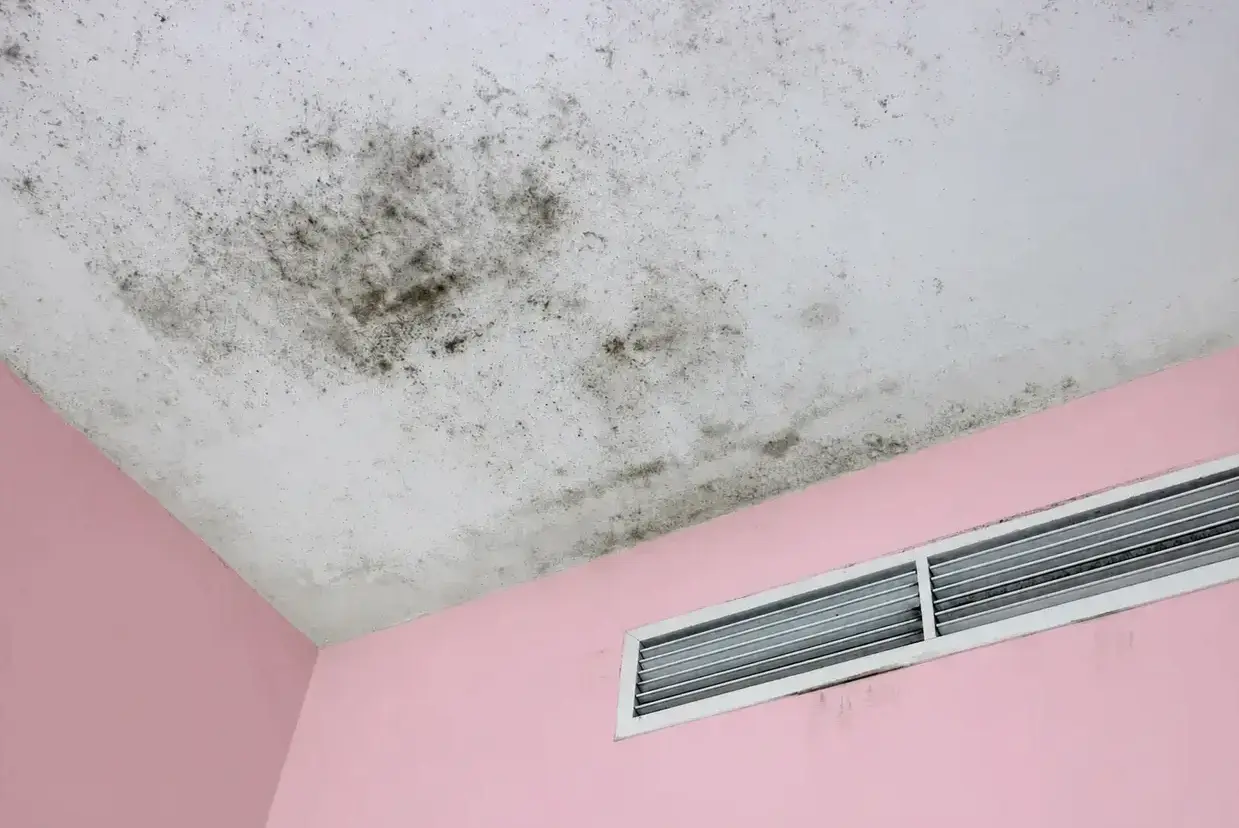
Ceiling Mold Removal in San Gabriel, CA
San Gabriel's inland valley location and marine air exposure create year-round moisture conditions that elevate the risk of indoor mold growth. Many properties in the area feature raised foundations with crawl spaces, and when ventilation in these spaces becomes inadequate or blocked, moisture accumulates beneath floors and can migrate upward into walls, attics, and ceilings. Ceiling mold often develops silently in these upper zones, where it may go unnoticed until visible discoloration, soft spots, or musty odors alert homeowners to a problem. Once mold takes hold overhead, it can compromise structural integrity, degrade insulation, and affect indoor air quality throughout the home.
Estes Mold Remediation connects San Gabriel property owners with independent local providers who specialize in thorough ceiling mold removal. These providers begin with a detailed assessment to identify the full extent of mold growth and trace moisture sources—whether from poor attic ventilation, roof leaks, or crawl space humidity seeping upward. They contain affected areas, safely remove contaminated materials, and address the underlying moisture problem to reduce the likelihood of recurrence. By focusing on both removal and prevention, the independent professionals in our network help restore your home's safety and comfort from the inside out.
Why San Gabriel Property Owners Choose Estes for Ceiling Mold Removal
Fast Response to Ceiling Mold
Ceiling mold removal requires immediate action to prevent structural damage and indoor air quality decline. Estes connects you with local providers who respond quickly to inspections and removal, minimizing spread.
Thorough Ceiling Mold Treatment
Effective ceiling mold removal addresses both visible growth and hidden moisture sources above drywall. Estes partners connect you with providers who use targeted removal and moisture control to stop recurrence.
Clear Communication Throughout Removal
Ceiling mold removal involves containment, removal, and verification steps. Estes connects you with independent providers who explain each phase, answer your questions, and keep you informed from inspection through completion.
San Gabriel's Year-Round Moisture Challenge
San Gabriel's inland valley location and marine air influence create persistently elevated indoor humidity levels. Homes with crawl spaces often face poor ventilation, making ceiling areas prime spots for hidden mold growth that demands professional removal.
How The Ceiling Mold Removal Process Works
Schedule Your Ceiling Mold Removal Visit
Contact Estes Mold Remediation to describe ceiling mold concerns in your San Gabriel home. We'll connect you with a local independent provider who performs a thorough ceiling mold inspection to identify affected areas and moisture sources.
Get a Ceiling Mold Assessment & Plan
The provider evaluates the extent of ceiling mold growth and diagnosing why moisture is accumulating—often linked to San Gabriel's year-round elevated indoor humidity from its inland valley climate. You'll receive a detailed removal plan tailored to your ceiling's specific condition.
Complete Ceiling Mold Removal & Verification
The independent provider removes affected ceiling material, treats the area, and addresses underlying moisture issues to reduce recurrence risk. Follow-up verification ensures the ceiling mold removal is complete and your indoor air quality has improved.
Dealing with Ceiling Mold Removal in San Gabriel? Get fast, professional help.
Call Now — (626) 377-4431Ceiling Mold Removal Serving San Gabriel
San Gabriel's inland valley location combined with marine air influence creates persistent moisture conditions year-round, elevating indoor humidity levels even during dry months. This sustained moisture environment makes ceilings particularly vulnerable to mold growth, especially in older homes where ventilation may be inadequate or where water intrusion goes undetected. Properties throughout the area—from the Huntington Drive corridor to the San Gabriel Mission District—face similar moisture challenges that can lead to mold colonization in attic spaces, around roof penetrations, and within ceiling cavities before visible signs appear inside the home.
Many San Gabriel residences feature raised foundations with crawl spaces beneath them. When crawl space ventilation is limited or blocked, moisture accumulates in the soil and air below the structure, wicking upward through floor systems and creating conditions that support mold development in ceiling assemblies directly above. Detecting and removing mold in these overhead spaces requires careful inspection and containment to prevent spore dispersal during the removal process. The independent local providers connected through Estes Mold Remediation understand San Gabriel's specific moisture patterns and can assess whether ceiling mold stems from roof leaks, ventilation gaps, or foundation-level humidity issues.
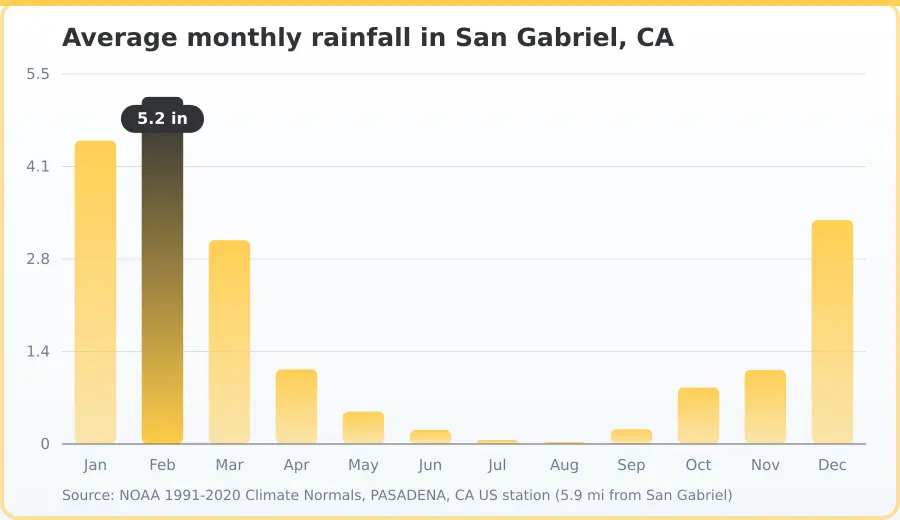
| Period | Monthly rainfall (in) |
|---|---|
| Jan | 4.5 |
| Feb | 5.2 |
| Mar | 3 |
| Apr | 1.1 |
| May | 0.5 |
| Jun | 0.2 |
| Jul | 0.1 |
| Aug | 0 |
| Sep | 0.2 |
| Oct | 0.8 |
| Nov | 1.1 |
| Dec | 3.3 |
Source: NOAA 1991-2020 Climate Normals, PASADENA, CA US station (5.9 mi from San Gabriel). Retrieved October 5, 2026.
Ceiling Mold Removal Across San Gabriel's Seasons
Spring: Rising Moisture
Spring rainfall and warming temperatures elevate indoor humidity across San Gabriel homes, creating ideal conditions for ceiling mold to flourish in attics, bathrooms, and around roof penetrations. Estes Mold Remediation connects property owners with local providers who identify active growth early, before it spreads deeper into structural materials.
Summer: Visible Growth
Summer heat intensifies air-conditioning use, and temperature swings between cooled interiors and warm outdoor air cause condensation on ceilings and upper walls—especially in homes along the Huntington Drive corridor where older construction is prevalent. Local providers through Estes help homeowners recognize and address visible ceiling mold before it becomes entrenched.
Fall: Hidden Expansion
As indoor heating systems activate and moisture from cooler outdoor air meets warm interior surfaces, ceiling mold often expands silently in crawl spaces beneath homes, where poor ventilation traps moisture year-round and allows mold to grow unseen above living areas. Estes Mold Remediation connects San Gabriel property owners with providers experienced in accessing and safely removing concealed ceiling mold in these hard-to-inspect spaces.
Winter: Persistent Conditions
Winter rainfall and reduced ventilation from closed windows keep ceilings damp throughout the season, while bathroom and kitchen moisture has nowhere to escape—prolonging ceiling mold activity when outdoor drying conditions are poorest. Independent providers in the Estes network use targeted containment and removal strategies suited to winter's slower evaporation rates.
Ceiling Mold Removal FAQs — San Gabriel, CA
Ceiling mold removal typically begins with a thorough inspection to identify affected areas and moisture sources. The process includes containing the work area, safely removing contaminated drywall or insulation, treating surfaces, and addressing underlying moisture problems. Local providers connected through Estes will assess whether structural repairs are needed before finishing and repainting. The goal is complete removal and prevention of recurrence.
Response times depend on the independent local provider's current schedule. Estes Mold Remediation connects San Gabriel property owners directly with providers in the area, allowing for fast local coordination. Many providers can schedule inspections promptly once you submit a referral request, though urgent situations may have different timelines. Contact a provider immediately if you suspect active mold growth above your head.
Pricing for ceiling mold removal depends on the affected area's size, how deep the mold has spread, accessibility, and whether structural repairs are needed. The moisture source—such as a roof leak or poor ventilation—also influences the scope of work. Independent providers will evaluate your ceiling during an initial inspection and discuss cost factors specific to your situation before beginning remediation.
Your provider will give specific preparation instructions based on the job scope. Generally, you should remove items from affected rooms or protect furniture with plastic sheeting. Keep pets and family away from work areas during the removal process. Ensure the provider has clear access to attic spaces or crawl areas above the ceiling. Follow all safety and containment guidelines your provider outlines to protect indoor air quality during the work.
After removal, monitor your ceiling regularly for any new signs of moisture or discoloration. Improve ventilation in attics and crawl spaces—San Gabriel homes often depend on proper airflow to manage indoor moisture year-round. Fix roof leaks, gutters, and plumbing problems promptly. Your provider may recommend vapor barriers or exhaust improvements. Keeping humidity levels stable indoors is one of the most effective ways to reduce mold's return.
San Gabriel's consistently elevated indoor moisture levels mean mold can develop any time of year. Spring and fall typically bring higher rainfall, but the region's year-round humidity keeps ceilings at risk even during drier months. Don't delay removal based on season—address ceiling mold as soon as you discover it. The sooner you connect with a local provider, the sooner moisture can be stopped and your ceiling restored.
Related Services
Homeowner Safety Toolkit
Verify Your San Gabriel, CA Mold Remediation Company
Before you hire anyone, use these independent national resources to confirm credentials, standards, and track record.
IICRC
Publishes the S520 standard for professional mold remediation. Confirm a company's technicians hold real, current IICRC certification before you hire them.
Verify CertificationBBB
Look up any mold remediation company's complaint history, customer reviews, and accreditation status — a free, independent check before you hire.
Check StandingCDC
Covers the health effects of mold exposure and safe cleanup practices, separate from the remediation work itself — useful if anyone in the home has respiratory symptoms.
Mold Health GuideDealing with Ceiling Mold Removal in San Gabriel, CA? Call (626) 377-4431 for 24/7 help.
Call Now — (626) 377-4431Areas We Serve in San Gabriel, California
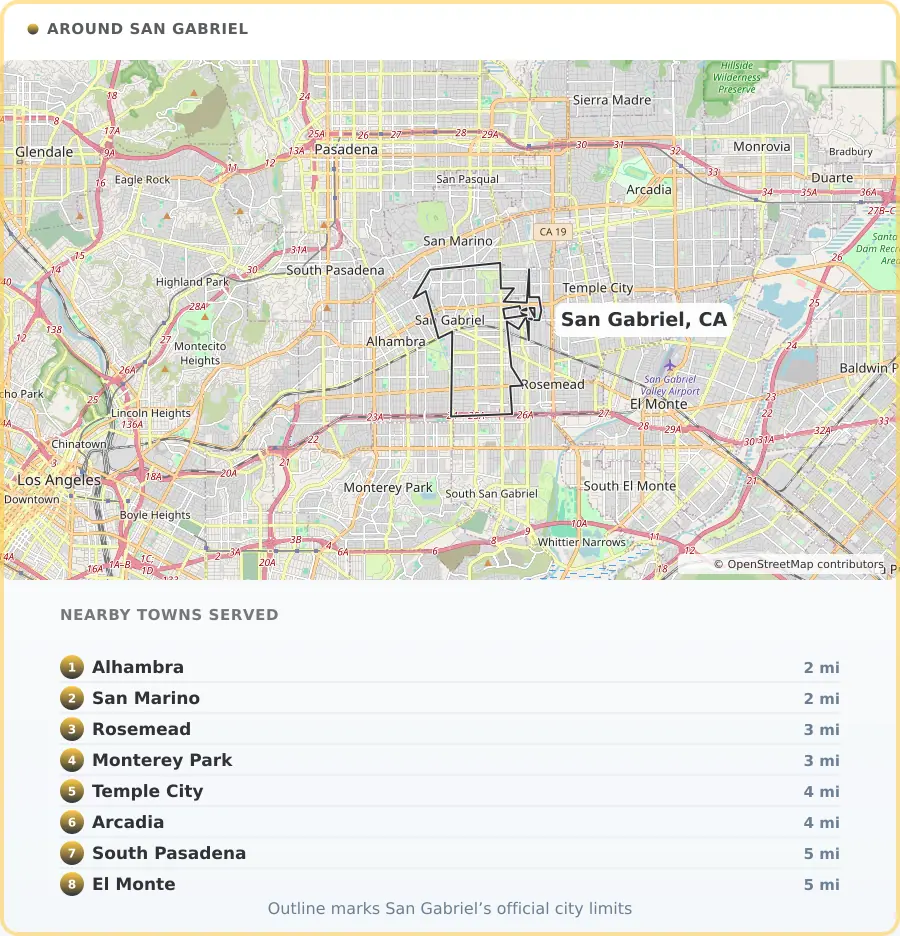
Serving San Gabriel, CA and 8 communities around it. Local knowledge of how each area is built shapes how the work is handled there.
San Gabriel, CA Information
Tucked in the heart of the San Gabriel Valley, San Gabriel, CA is a close-knit community of about 39,700 residents where history and daily life mix easily. The San Gabriel Mission District anchors the city's identity, while San Gabriel Square draws crowds for some of the region's best dining and shopping, giving the city a reputation as a culinary destination well beyond its size.
The local economy leans on healthcare, with San Gabriel Valley Medical Center a major employer, alongside retail, light manufacturing, and professional services typical of the valley. Schools, city government, and familiar names like Walmart, Target, and 99 Ranch Market round out the job base. Along corridors like Las Tunas Drive, that everyday mix of commerce and community gives San Gabriel its steady, welcoming character.

Photo: Billy Hathorn, CC BY-SA 3.0