

Drywall Mold Removal in San Gabriel, CA
San Gabriel's inland valley location combined with persistent marine air moisture keeps indoor humidity elevated year-round, creating conditions where drywall absorbs and retains moisture even between rainy seasons. Drywall mold growth often develops hidden within walls and behind surfaces, where poor ventilation in crawl spaces beneath raised foundations allows moisture to migrate upward into framing and wall cavities. Estes Mold Remediation connects San Gabriel property owners with local mold removal providers who can identify affected drywall, contain the problem safely, and remove compromised materials to restore indoor air quality and prevent further structural damage.
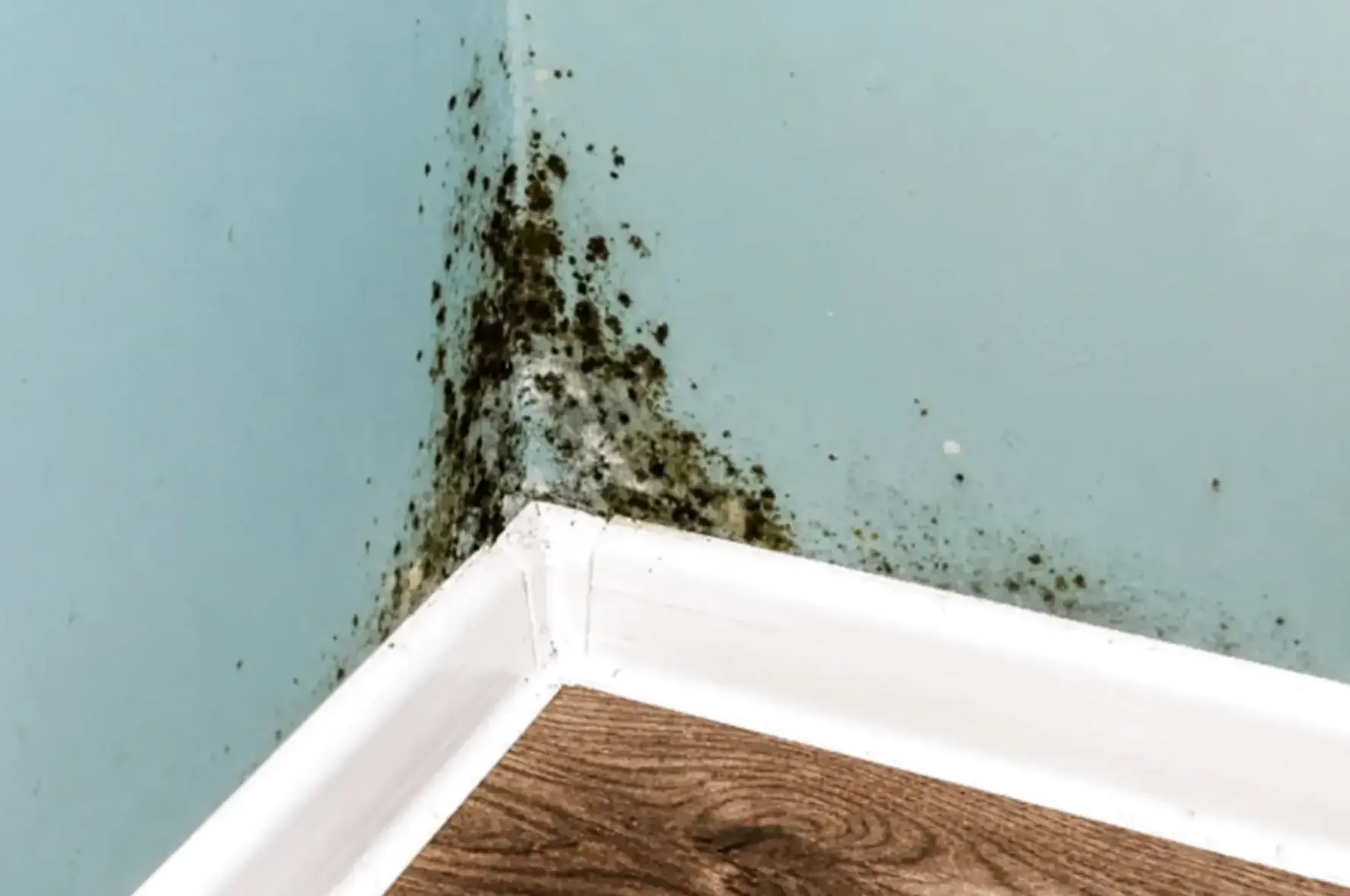
What gets cleaned in a wall cavity, and what comes out
The honest answer to “does this come out, or can it be cleaned?” turns on two things — what the material is, and how many square feet are affected. Those are the two axes of the EPA’s own remediation table, reproduced below for the materials usually found in a wall cavity.
| Material | Under 10 sq ftabout a cabinet door, or one ceiling tile | 10 to 100 sq ftroughly one wall, or a small bathroom | Over 100 sq ftmore than one room's worth of surface |
|---|---|---|---|
| Wallboardthe wallboard itself, both facesEPA, Table 2 | HEPA vacuum | HEPA vacuumRemove and discard | HEPA vacuumRemove and discard |
| Wood surfacesstuds, plates and sheathing behind itEPA, Table 2 | Wet vacuumDamp wipeHEPA vacuum | Wet vacuumDamp wipeHEPA vacuum | Wet vacuumDamp wipeHEPA vacuumRemove and discard |
What those methods mean, in EPA's words
- Wet vacuum
Wet vacuums are vacuum cleaners designed to collect water. They can be used to remove water from floors, carpets and hard surfaces where water has accumulated.
EPA, cleanup methods- Damp wipe
Mold can generally be removed from nonporous (hard) surfaces by wiping or scrubbing with water, or water and detergent.
EPA, cleanup methods- HEPA vacuum
HEPA (High-Efficiency Particulate Air) vacuums are recommended for final cleanup of remediation areas after materials have been thoroughly dried and contaminated materials removed.
EPA, cleanup methods- Remove and discard
Building materials and furnishings that are contaminated with mold growth and are not salvageable should be double-bagged using 6-mil polyethylene sheeting.
EPA, cleanup methods
Removed and replaced, whatever the area
- Fiberglass or other insulation — batt or blown insulation in the stud bay.
Fiber glass, or any other insulation material that is wet or visibly moldy (or if an unacceptable odor is present) should be removed and replaced by a qualified heating and cooling system contractor.
EPA, air duct cleaningEPA states this in its heating-and-cooling guidance and it is quoted here as written. Its water-damage table reaches the same conclusion for both fiberglass and cellulose insulation.
These guidelines are for damage caused by clean water. If you know or suspect that the water source is contaminated with sewage, or chemical or biological pollutants, then Personal Protective Equipment and containment are required by OSHA.
EPA, Table 1Porous materials that are wet and have mold growing on them may have to be discarded.
EPA, cleanup methodsMold can grow on wood, drywall, carpet and furniture if they remain wet for more than 24 hours.
EPA, flood cleanup
What shows on the painted face is usually smaller than what is inside the cavity, because the paper facing and the stud bay stay wet long after the surface looks dry. That is why the area measured on the wall and the area actually remediated are rarely the same number. The studs behind are often salvageable even when the board is not.
With 56.4% of San Gabriel homes built before 1960, a lot of the local building stock predates the materials and detailing that keep moisture out of a cavity.Source: US Census Bureau, American Community Survey 2023 5-year estimates, table B25034 — San Gabriel city (13,726 housing units)
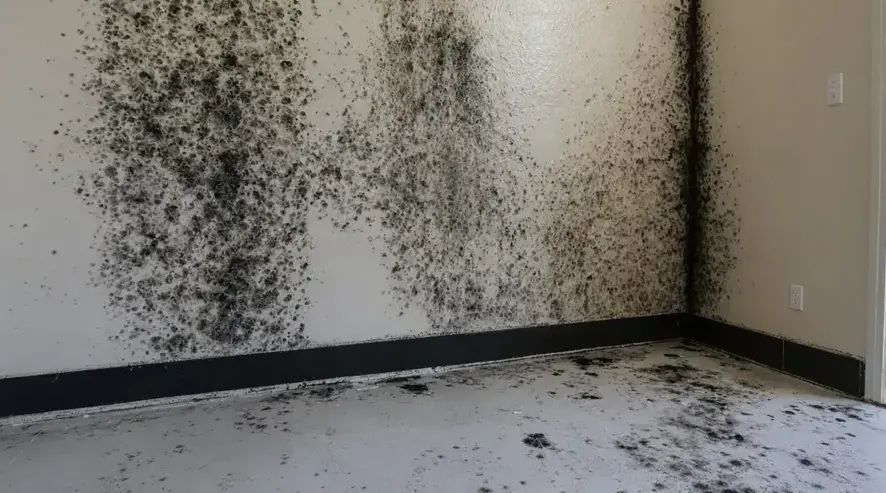
Drywall Mold Removal Needs in San Gabriel, CA
San Gabriel's inland valley climate combines moderate-to-high humidity throughout the year with marine air influence from the coast, creating conditions where indoor moisture levels remain elevated even during drier months. This persistent dampness makes drywall particularly vulnerable to mold colonization, especially in homes where crawl space ventilation is limited or where water intrusion goes unaddressed. Drywall absorbs moisture readily, and once mold takes hold within wall cavities or behind finished surfaces, it can spread silently—affecting both structural integrity and indoor air quality. Property owners across San Gabriel, from the Grand Avenue corridor to the Huntington Drive area and beyond, often discover mold only after visible staining appears or musty odors become noticeable, by which time remediation becomes more extensive.
Estes Mold Remediation connects San Gabriel property owners with local independent providers who specialize in thorough drywall mold removal. The process begins with careful inspection to identify affected areas, containment to prevent spore spread, safe removal of compromised drywall sections, and complete drying to eliminate moisture that feeds regrowth. Providers address not just the visible damage but also the moisture source driving it, ensuring that removal is as complete as the circumstances allow. Follow-up assessment helps confirm that affected areas have been properly restored. If you suspect mold in your drywall, reaching out for a local evaluation is the first step toward protecting your property and indoor environment.
Why San Gabriel Property Owners Choose Estes Mold Remediation
Fast Local Drywall Mold Removal
Estes connects you with independent local providers who respond quickly to drywall mold removal requests in San Gabriel. Rapid response prevents moisture from spreading deeper into walls and framing.
Thorough Drywall Mold Removal Process
The independent providers in our network use containment and safe removal methods for drywall mold. They assess affected sections, isolate work areas, and remove compromised material to stop active growth.
Clear Communication Throughout Removal
Estes providers explain drywall mold findings and removal steps in plain language. You receive updates on progress and next actions so you understand what's happening in your home.
Drywall Mold Removal in Humid Conditions
San Gabriel's year-round moisture climate elevates indoor humidity, creating persistent conditions for drywall mold growth even between rainy seasons. Estes providers address both removal and moisture control to reduce recurrence risk.
How Our Drywall Mold Removal Process Works
Schedule Your Drywall Mold Removal Visit
Contact Estes Mold Remediation to describe where you've noticed mold growth on drywall surfaces in your San Gabriel home. A local drywall mold removal provider from our network will confirm availability and arrange a time to inspect the affected areas.
Assessment & Drywall Mold Diagnosis
The provider inspects your drywall to identify mold extent, moisture sources, and whether structural integrity is compromised. In San Gabriel's year-round humid climate, drywall absorbs moisture readily, making thorough assessment critical before removal begins.
Drywall Mold Removal & Restoration
The provider removes affected drywall sections, addresses underlying moisture, and installs new drywall to restore your wall and indoor air quality. Follow-up visits ensure the area remains dry and mold does not return to the repaired section.
Dealing with Drywall Mold Removal in San Gabriel? Get fast, professional help.
Call Now — (626) 377-4431Drywall Mold Removal Serving San Gabriel
San Gabriel's inland valley location creates persistent moisture conditions that challenge drywall integrity year-round. The combination of marine air influence from coastal areas and the region's moderate-to-high humidity means indoor moisture levels remain elevated even during dry seasons, creating an environment where drywall becomes vulnerable to mold colonization. This is especially true in homes where crawl space ventilation is inadequate—a common condition in many San Gabriel properties with raised foundations. When moisture accumulates beneath a home, it wicks upward through walls and can penetrate drywall from behind, allowing mold to establish itself in wall cavities where it remains hidden until significant damage has occurred.
Drywall mold removal in San Gabriel often requires more than surface cleaning because of how moisture persists in the local environment. Property owners in established neighborhoods like the San Gabriel Mission District and along the Grand Avenue corridor frequently discover mold affecting interior walls long after moisture first entered the structure. The key to effective remediation is identifying moisture sources—whether from crawl space conditions, condensation, or water intrusion—and addressing both the affected drywall and the underlying cause. Working with a local mold remediation provider who understands how San Gabriel's humidity patterns affect wall systems helps ensure thorough removal and reduces the risk of recurrence.
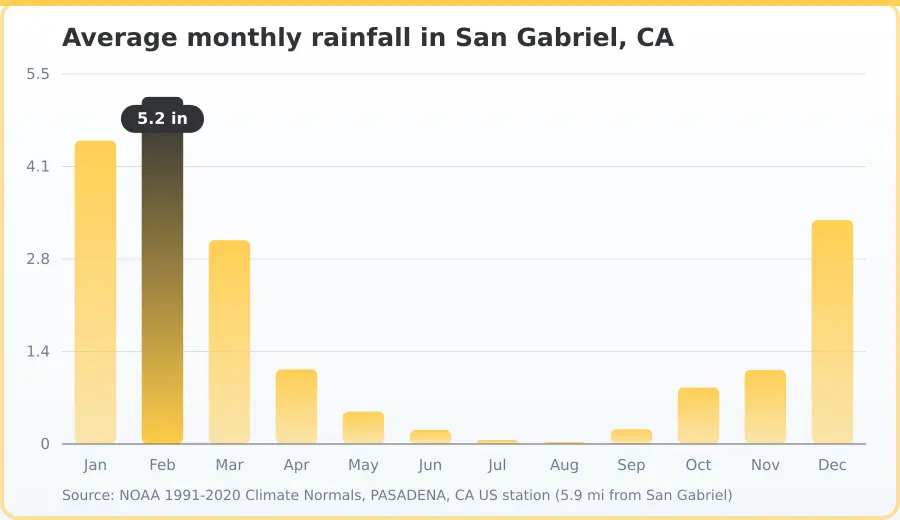
| Period | Monthly rainfall (in) |
|---|---|
| Jan | 4.5 |
| Feb | 5.2 |
| Mar | 3 |
| Apr | 1.1 |
| May | 0.5 |
| Jun | 0.2 |
| Jul | 0.1 |
| Aug | 0 |
| Sep | 0.2 |
| Oct | 0.8 |
| Nov | 1.1 |
| Dec | 3.3 |
Source: NOAA 1991-2020 Climate Normals, PASADENA, CA US station (5.9 mi from San Gabriel). Retrieved October 5, 2026.
Year-Round Drywall Mold Removal Needs in San Gabriel
Spring: Moisture Awakening
Spring rainfall and warming temperatures increase indoor humidity, activating dormant mold spores within drywall. Early detection and removal prevent colonies from spreading deeper into wall cavities. Estes Mold Remediation connects you with local providers who inspect and treat affected drywall before warmer months accelerate growth.
Summer: Hidden Wall Growth
Elevated indoor humidity persists year-round in San Gabriel's inland valley climate, where coastal marine air combines with limited air exchange to keep moisture levels high even outside rain. Drywall absorbs this moisture silently; mold colonizes within walls and behind surfaces without visible signs. Local providers reached through Estes identify and safely remove concealed drywall mold before it compromises structural integrity and indoor air quality.
Fall: Transition and Preparation
Cooling weather and occasional moisture events create fluctuating humidity that stresses drywall. Mold in previously damp areas may become active again, while condensation on cool surfaces feeds new growth. Estes Mold Remediation helps you connect with providers who reassess drywall condition and address emerging or returning mold before winter moisture patterns intensify.
Winter: Condensation and Containment
Cooler indoor temperatures and seasonal moisture can trigger condensation on and within drywall, especially in poorly ventilated spaces. Winter mold activity often accelerates in hidden wall sections. Local providers accessible through Estes perform targeted drywall mold removal and containment during winter months when thorough remediation is essential before spring conditions return.
Drywall Mold Removal FAQs — San Gabriel, CA
Drywall mold removal begins with a thorough inspection to identify affected areas, often hidden behind walls or in less visible sections. The provider isolates the contaminated drywall, removes it safely, addresses underlying moisture sources, and installs new drywall. The goal is complete removal of mold-colonized material and restoration of a clean, dry surface, paired with moisture control to protect indoor air quality.
Estes Mold Remediation connects San Gabriel property owners to local independent providers who can typically respond to inquiries promptly. Speed depends on the provider's availability and the scope of drywall damage. Contact us to get connected with a local provider who can assess your situation and discuss timing for your specific project.
Pricing for drywall mold removal depends on the area affected, accessibility of mold growth, whether structural framing requires treatment, moisture-source complexity, and whether testing is needed. The independent provider will evaluate your property and explain cost factors. Get a direct quote from a local San Gabriel provider through Estes Mold Remediation to understand your project's specific expenses.
Clear the work area of personal items and furniture if possible. Ensure the provider has safe access to affected walls and any moisture sources. Discuss containment procedures with your provider—they will typically isolate the work zone to prevent mold spores from spreading. Ask about temporary ventilation, how long the project may take, and what to expect during and after removal of contaminated drywall.
After drywall mold removal, control indoor humidity and ensure good air circulation throughout your home. Fix plumbing leaks promptly, maintain proper drainage around your foundation, and address any crawl space ventilation issues that may trap moisture. Your provider can recommend specific moisture-control steps for your property. Ongoing monitoring helps catch early signs of moisture before mold can return.
San Gabriel's inland valley location and marine air influence create elevated indoor moisture levels year-round, even outside rainy seasons. This persistent moisture environment increases the likelihood that drywall can absorb water and develop mold over time. Homes in areas like the Grand Avenue corridor and other parts of town benefit from prompt mold assessment and removal to protect both structure and indoor air quality.
Related Services
Homeowner Safety Toolkit
Verify Your San Gabriel, CA Mold Remediation Company
Before you hire anyone, use these independent national resources to confirm credentials, standards, and track record.
IICRC
Publishes the S520 standard for professional mold remediation. Confirm a company's technicians hold real, current IICRC certification before you hire them.
Verify CertificationBBB
Look up any mold remediation company's complaint history, customer reviews, and accreditation status — a free, independent check before you hire.
Check StandingCDC
Covers the health effects of mold exposure and safe cleanup practices, separate from the remediation work itself — useful if anyone in the home has respiratory symptoms.
Mold Health GuideDealing with Drywall Mold Removal in San Gabriel, CA? Call (626) 377-4431 for 24/7 help.
Call Now — (626) 377-4431Areas We Serve in San Gabriel, California
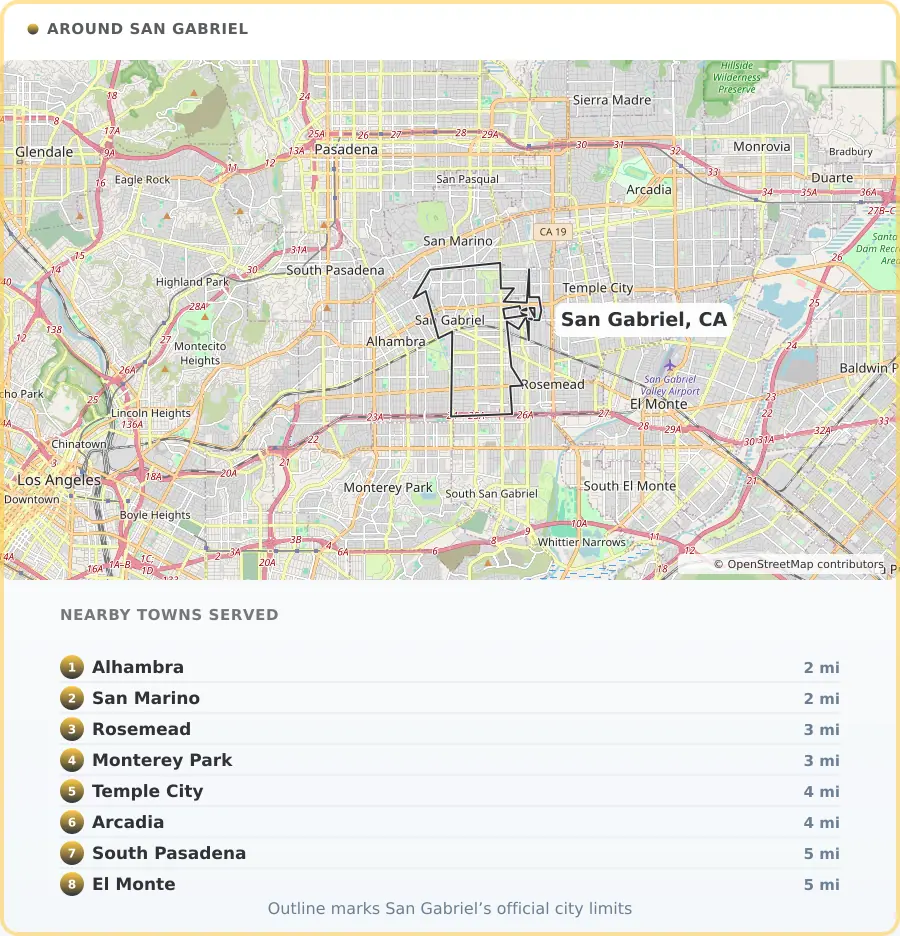
Serving San Gabriel, CA and 8 communities around it. Local knowledge of how each area is built shapes how the work is handled there.
San Gabriel, CA Information
Tucked in the heart of the San Gabriel Valley, San Gabriel, CA is a close-knit community of about 39,700 residents where history and daily life mix easily. The San Gabriel Mission District anchors the city's identity, while San Gabriel Square draws crowds for some of the region's best dining and shopping, giving the city a reputation as a culinary destination well beyond its size.
The local economy leans on healthcare, with San Gabriel Valley Medical Center a major employer, alongside retail, light manufacturing, and professional services typical of the valley. Schools, city government, and familiar names like Walmart, Target, and 99 Ranch Market round out the job base. Along corridors like Las Tunas Drive, that everyday mix of commerce and community gives San Gabriel its steady, welcoming character.
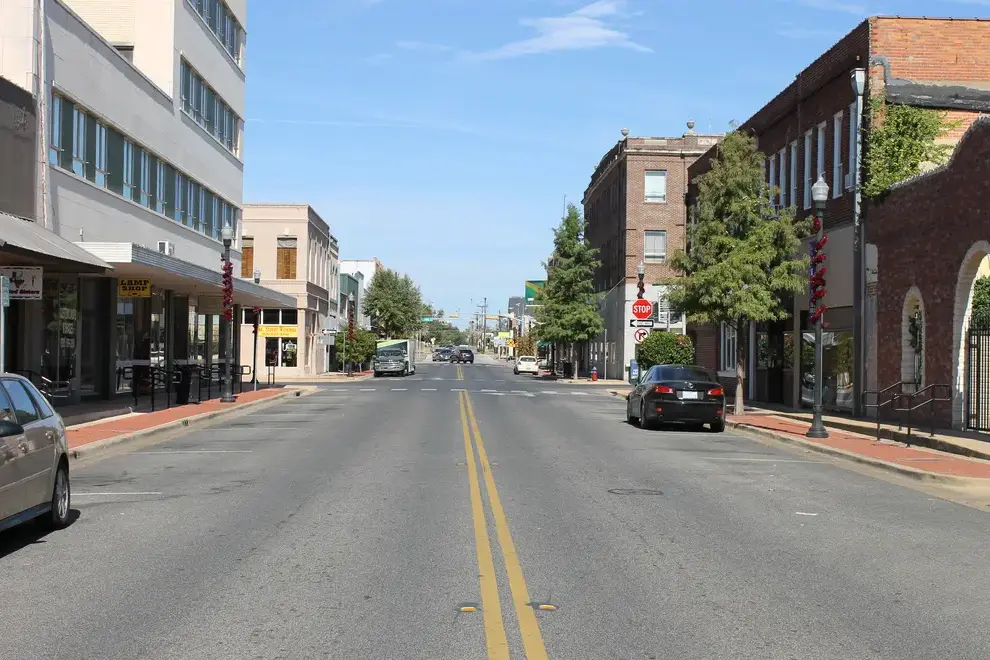
Photo: Billy Hathorn, CC BY-SA 3.0